





Elm and Fan Arad Engineering Company offers various sorting machines for the sorting and separation of plastic, polymer, and PET (Polyethylene Terephthalate) materials.
PET Sorting Machine:
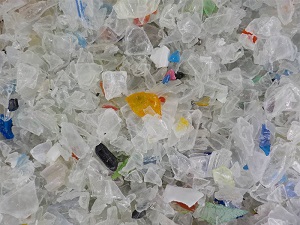
This series of machines is used for cleaning PET flakes (crushed PET). The input machine separates PET flakes from various types of waste, including waste from other colored plastics, and delivers clean white + blue PET or PET with white (milky PET). The advanced series of PET sorting machines are equipped with NIR (Near-Infrared) cameras, which can identify and separate PVC items from PET flakes. For higher accuracy in separating similar colored polymers from PET, hyperspectral imaging technology is used.
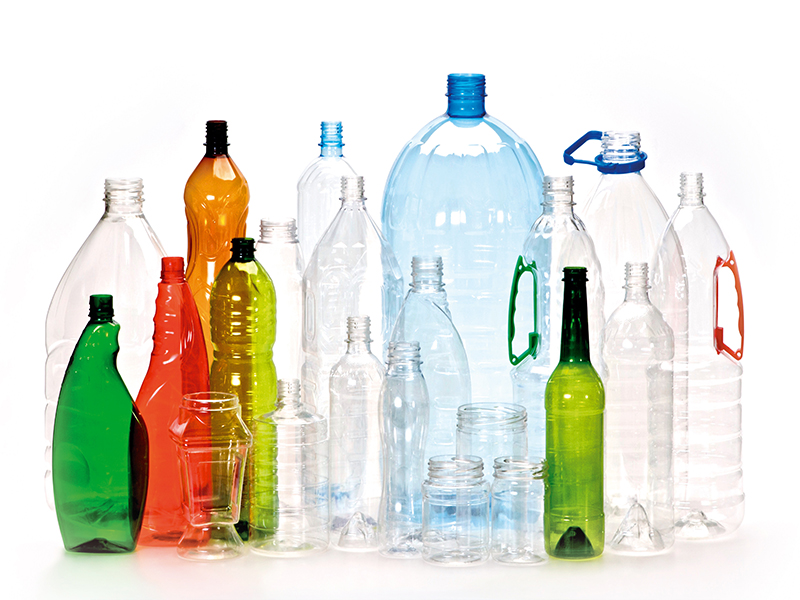
Sorting machines can also be used to clean polymer materials and masterbatches. For example, in the production process of polymer materials, defects and local scratches can occur on the product, resulting in dark spots on the polymer materials. With the help of color sorting machines, these materials can be cleaned. Additionally, polymer materials and masterbatches that have color defects or incorrect color mixtures can be fed into the sorting machine to sort the products accordingly.
Sorting Machines for Crushed Plastics and Colored Polymers:
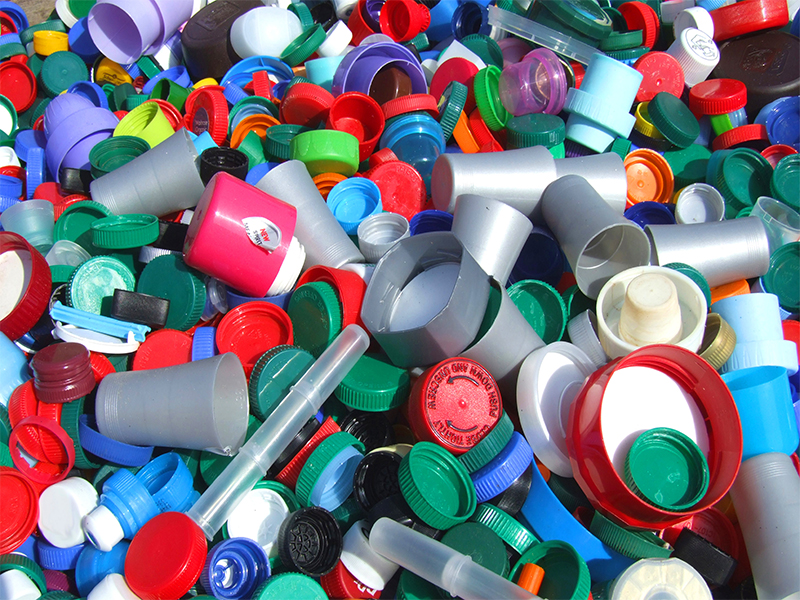
This category of sorting machines is used for separating mixed multi-colored crushed plastics. The process works as follows: to separate a specific color, for example, red, the plastic mixture is fed into the machine, and the desired color is selected in the program. Once the program is executed, the machine begins separating the chosen color, which, according to sorting theories, will result in a small percentage of other colors. The prepared mixture can be fed back into the machine, and with a reverse sorting program, the separated color is cleaned. In practice, and for large capacities, a series of machine channels are set for direct sorting and some for reverse sorting. For instance, in a 6-channel machine, 4 channels are used for direct sorting and 2 for reverse sorting. Typically, the capacity of each channel for crushed plastics is between 250 to 300 kg per hour. This means, for example, in a 6-channel machine, the 4 direct sorting channels can accept between 1000 to 1200 kg per hour of material, while separating one color from the mixture.
If we assume the mixture of crushed plastics includes 4 colors + 1 waste color (other materials), and the goal is to separate the 4 colors, it can be said that with a 6-channel sorting machine, you can sort between 400 to 500 kg of input material into 4 groups by running 4 different separation programs.